

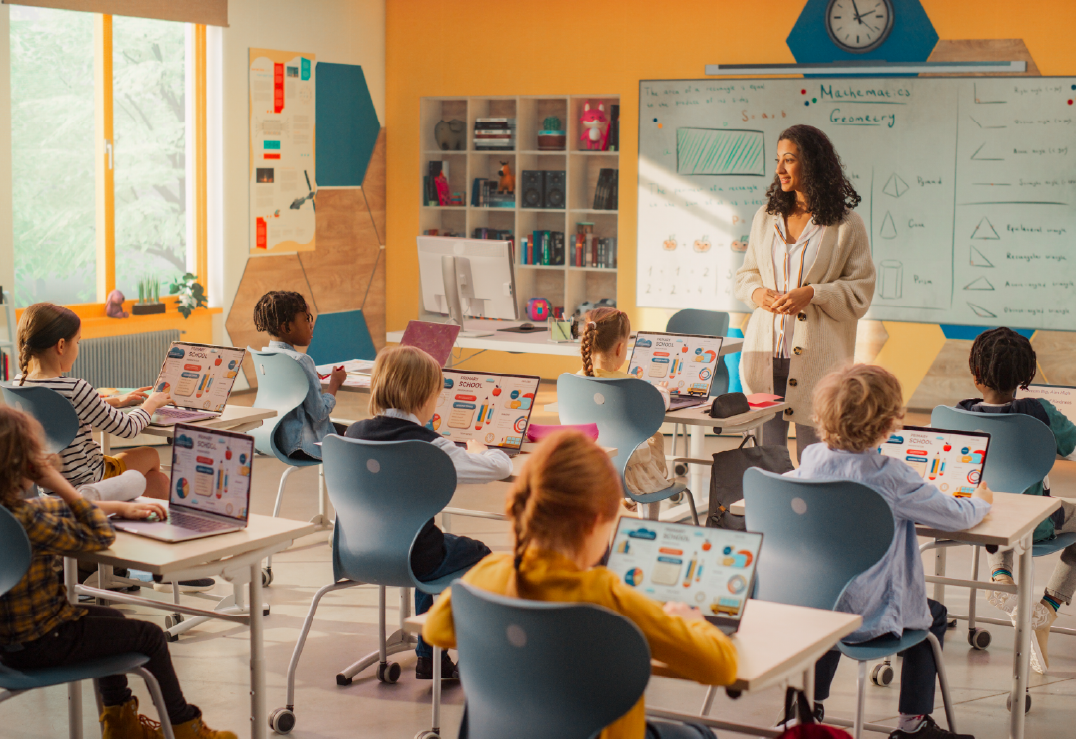
If your family catches the first wave of sniffles every September, you’re not imagining it. Schools are crowded, schedules are busy, and everything from crayons to keyboards is shared. The good news? You don’t need a lab coat or a color-coded chore chart to make a real difference. A few simple habits—taught once and repeated gently—can help reduce what kids carry home in their backpacks. This guide keeps it practical and judgment-free. Pick what fits your crew and skip what doesn’t. We’re going for “realistic and steady,” not “perfect.” This article is general information, not medical advice. For personal guidance, your pediatrician or school nurse can help.
Let’s talk about ways to help reduce the spread of kids’ germs in a way that won’t take over your already-full calendar.
Why school germs spread (and why that’s normal)
Classrooms are built for teamwork: group reading, partner projects, lunch tables, after-school clubs. That togetherness is great for learning and… also great for sharing the occasional cough or cold. Germs mostly travel in two ways:
- Through the air: Coughing, sneezing, shouting, singing—tiny droplets and aerosols move around, especially in close quarters.
- On surfaces: Kids touch a door handle or a desk, then touch their eyes, nose, or mouth without thinking about it (because they’re kids).
We can’t bubble-wrap a school day, and that’s okay. The goal is to lower the odds and keep little sniffles from turning into a family-wide saga.
The simple plan that actually works: clean hands at key moments
Let’s keep this as easy as possible. Handwashing is still the MVP, and timing matters more than fancy soaps.
Key moments for kids to wash or sanitize:
- After the bathroom
- Before eating snacks or lunch
- After recess, PE, or sports
- After blowing their nose, coughing, or sneezing
- When they walk in the door at home
- After handling shared classroom supplies or classroom pets
- Before and after time in the library or computer lab
How to teach it without nagging:
Make it quick and fun: “Wet, soap, scrub (fronts, backs, between fingers, under nails), rinse, dry.” Aim for about 20 seconds—two rounds of “Happy Birthday,” the ABCs, or whatever chorus your kid currently belts out every waking minute.
No sink nearby? A small personal sanitizer can help older kids. The trick is rubbing until hands are dry—no quick tap-and-go.
Parent-to-parent tip: When they get home, make handwashing the first step before snack or screen time. Kids learn what they live, so do it together for the first week or two. It can click.
The friendly way to limit “face splash”: coughs, sneezes, and tissues
We want reminders that stick, not lectures. Try tiny catchphrases:
- “Aim for your elbow.” (A gentle arm-up demo helps.)
- “Tissue, trash, hands.” (Use it like a rhythm.)
- “Chin up.” (A playful cue to stop face-touching.)
Keep it light. Kids are more likely to do what you ask when they feel capable and not called out.
Backpacks, lunchboxes, and water bottles: the “daily trio” that matters most
If you only pick one section from this whole post, make it this one. These three items travel everywhere and collect mystery gunk. A simple routine saves you drama later.
Backpacks
- Daily: Quick shake-out and hang it somewhere it can air—not jammed under a pile of jackets.
- Weekly: Wipe straps and zippers with a mild, kid-safe wipe or a cloth lightly dampened with soapy water.
- Monthly: If the tag says it’s washable, run a gentle cycle and air-dry. (Check pockets first. You know why.)
Lunchboxes
- Daily: Empty right after school. Wash containers with dish soap and hot water. Wipe the inside of soft-sided bags and leave them open to dry overnight.
- Weekly: Run containers through the dishwasher if they’re dishwasher-safe. Give seams a check for crumbs.
Water bottles
- Daily: Rinse and wash with a bottle brush and hot, soapy water. Let all parts air-dry.
- Weekly: Disassemble lids and straws for a deeper clean. If there’s a funky smell, a warm soapy soak usually sorts it out.
- Label everything. When items come back home, you can clean them tonight instead of buying replacements tomorrow.
Laundry that doesn’t take your whole weekend
You don’t need to wash everything the second your kid walks in. A steady pace is enough:
- School clothes: If kids change after school, toss outfits into a hamper—not onto the bed or desk chair.
- PE uniforms and sports gear: Wash after each use when possible; at minimum, air it out the same day.
- Towels: Give each family member a color to avoid mix-ups and wash regularly.
- Bedding: Weekly washing helps, especially during peak cold months.
Pick a couple of laundry days and stick to them. Routines often beat heroics.
Air that moves: a quiet helper in the background
Fresh air is underrated. It won’t replace handwashing, but it plays a nice supporting role.
- Crack a window for a few minutes when weather and safety allow. Even small bursts help.
- Change HVAC filters on schedule (set a phone reminder—future you will be grateful).
- Portable air purifiers can be useful for high-traffic rooms. Just match the size of the purifier to the room.
None of this needs to be fancy. Small, consistent steps add up.
Sleep, food, and water: the boring basics that actually help
Here’s a truth that every parent already knows: kids who aren’t tired, hungry, or dehydrated handle life better—school germs included.
- Sleep: Keep bedtime calm and predictable. Little rituals—lights dimmed, same order of steps—tell the body it’s time to wind down.
- Food: Aim for balanced lunches and snacks with protein, fiber, and some color. A handful of cherry tomatoes or carrots, string cheese, yogurt, or hummus can round things out.
- Water: A refillable bottle with their name on it helps kids sip all day. A quick “Refill at lunch?” reminder goes a long way.
No need to overhaul your pantry. Tiny upgrades you can actually maintain beat a total reset that fades in a week.
The 7-minute after-school “arrival lane”
Make the first five to seven minutes after school the time when small tasks happen on autopilot:
- Shoes off at the door (if that’s your family’s style).
- Backpack on a hook; lunchbox to the kitchen.
- Water bottle to the sink for a rinse.
- Wash hands before snack or homework.
- Quick wipe of phone or school tablet (for older kids).
Do this every day for two weeks, and it often becomes the new normal. You may notice the difference on busy nights. You’ll feel it on busy nights.
School supplies and shared stuff: a few painless guardrails
Depending on the teacher, kids may share supplies or keep their own. Either way:
- Pencil case basics: A few go-to items—pencils, eraser, small tissue pack, and (for older kids) sanitizer—keep things simple.
- Labels help: Water bottles, jackets, lunch containers, earbuds, calculators—anything that tends to wander.
- Tech clean-ups at home: A gentle wipe-down for screens and keyboards once a week is plenty.
Ask your child’s teacher what they prefer so your routine lines up with what’s happening in class.
Sports, clubs, and music: where gear gets… “well loved”
Activities are awesome—and also where sharing happens without thinking.
- No sharing water bottles, mouthguards, lip balm, or towels. (It’s never worth it.)
- Uniforms go in the wash after each game or practice.
- Gear (pads, gloves, cleats) should air out right away—even a few minutes outside helps.
- Post-practice scrub: If showers aren’t possible, at least wash hands and face.
Coaches appreciate helpers. If you’re the reminder person for “Everyone brings their own bottle,” you’re doing the whole team a favor.
Lunch that stays the right temperature (without extra stress)
Foodborne illness can look like a stomach bug. A few tweaks keep lunches in the safe zone:
- Cold packs for perishables like yogurt or deli meat.
- Pre-chill items in the fridge before you pack.
- Thermos hack: Swirl hot water in the thermos to preheat, pour it out, then add hot food.
- Tighten lids and keep lunchboxes out of direct sun if possible.
Back home, get everything washed the same day. Residue in seams can become a smelly science project.
“Should I keep them home?” A quick gut-check
Your school’s policy is the north star—start there. As a general guide, consider a home day if:
- There’s a fever of 100.4°F (38°C) or higher (back when fever-free for 24 hours without fever reducers).
- Vomiting or diarrhea happened in the last 24 hours.
- There’s a hard, exhausting cough or breathing trouble.
- A new rash pops up with other symptoms—call your pediatrician’s office for advice.
When in doubt, a quick call to the school nurse or pediatrician saves a lot of guesswork.
How to talk to kids about germs without making it scary
Different ages, different approaches:
Pre-K and early elementary:
Keep it simple. “Soap washes away tiny dirt you can’t see.” Use songs for timing. Sticker charts work—short-term, not forever.
Upper elementary:
Kids this age like to know “why.” Try: “We wash before lunch so the stuff on your hands doesn’t hitch a ride.” Give them small jobs—refilling the tissue box, wiping their lunchbox.
Middle and high school:
Make it collaborative: “What will help you remember to wash before lunch?” Maybe it’s sanitizer at the table or a reminder on their phone. Respect goes a long way with this crowd.
A quick seasonal roadmap (so you’re not surprised)
- August–October: After the back-to-school reunion, small colds and sniffles make the rounds.
- November–February: Many respiratory illnesses peak. Double down on sleep, handwashing, and your after-school “arrival lane.”
- March–May: Allergies can mean itchy eyes and more face-touching—tissues and handwashing matter here, too.
Stock up on tissues, hand soap refills, and lunchbox supplies before you run out.
After a classroom exposure: what to actually do
Let’s say your child sat near a friend who came down with something:
- Lean into basics for a few days: extra attention to handwashing, steady sleep, no shared drinks.
- Watch for symptoms without hovering—your kid will pick up on anxiety.
- Wipe high-touch spots at home (doorknobs, remotes, light switches, device screens) using surface-appropriate wipes or a lightly damp cloth with mild soap.
- Check school guidance if your child develops symptoms.
That’s it. You don’t need to disinfect your entire house every night. Consistency wins.
Myths vs. what actually helps
“One squirt of sanitizer in the morning covers the day.”
Nice try. Sanitizer helps most at specific moments—before lunch, after recess, after the bathroom—not once-and-done.
“Antibiotics fix most school bugs.”
Many classroom illnesses are viral. Antibiotics aren’t a catch-all. Your pediatrician will tell you what’s right when your child needs care.
“If I deep-clean daily, no one will get sick.”
We’d love that. Real talk: Steady habits lower the chances, but zero risk doesn’t exist. Aim for “less likely” and “shorter lasting,” not “never.”
“Face coverings only matter during huge emergencies.”
Family and school rules vary. If recommended by your pediatrician or school, a temporary face covering can help reduce spread in certain situations. Follow your pediatrician’s and school’s guidance.
A week-at-a-glance plan you can actually follow
Sunday reset:
- Refill hand soap and tissues in bathrooms and bedrooms.
- Wash lunch containers, water bottles, and ice packs; open lunchboxes overnight to dry.
- Check sports bags, wash uniforms, and pack fresh socks and towels for the week.
Weekdays:
- Hit the arrival lane (shoes, backpack, lunchbox, bottle, hands).
- Shake out backpacks while checking for crumpled forms and library books.
- Keep bedtime earlier than you think during the fall and winter. You may notice the difference.
Saturday catch-up:
- Wipe backpack straps and lunchbox seams.
- Deep clean water bottle lids and straws.
- Quick screen wipe for tablets and phones.
- Glance at the calendar for next week’s practice times.
That’s it. Not glamorous, but it might give you back your weekday sanity.
Screenshots for the fridge (or your phone)
Morning send-off
- Tissue pack
- Small sanitizer (older kids)
- Labeled water bottle—full
- Lunchbox with ice pack (if needed)
- Tiny reminder: “Wash before lunch, elbow sneeze!”
After school
- Backpack hung up
- Lunchbox and bottle to the sink
- Hands washed before snack
- Quick device wipe (older kids)
Weekly
- PE uniform and sports gear washed
- Backpack straps/handles wiped
- Lunch containers through the dishwasher
- Soap and tissues restocked
Take a photo, share it with grandparents, babysitters, or anyone who does pickup. Consistency across caregivers helps reduce “I forgot my bottle” nights.
Kids with specific health needs
If your child has asthma, allergies, diabetes, or another condition, loop in the school early. Ask about:
- When and where handwashing is easiest (before lunch, after gym)
- Where medication is stored and how the nurse communicates
- Classroom cleaning routines and seating options during peak cold months
- Any adjustments for PE, recess, or after-school activities
The smoother the school-home handoff, the easier the day runs for your kid.
How to build habits without battles
- Make it obvious: Keep soap, towels, and tissues at kid height. Hooks near the door help backpacks land where you want them.
- Use cues: A sticky note on a lunchbox, a tiny charm on a zipper pull, a phone reminder for older kids.
- Praise the process: “I saw you wash before snack. Nice follow-through.” Effort-focused praise beats result-focused praise.
- Offer choices: Let kids pick their water bottle design, soap scent, or lunchbox color. Ownership = buy-in.
And if the routine falls apart during a busy week (it will), reset gently next week. No guilt needed.
Quick answers to the most common parent questions
How often should I clean my child’s backpack?
Air it out daily, wipe straps weekly, and do a gentle wash monthly if the label allows. That schedule keeps grime from becoming a project.
Is sanitizer okay for young kids?
Soap and water is great when available. If sanitizer is used, focus on supervision and rubbing until hands are dry. If your child is too young to use it safely, prioritize handwashing and tissues.
What if my kid hates soap or sanitizer textures?
Let them pick a foam soap or a milder scent. Lukewarm water and a soft towel help for sensory-sensitive kids. You might be surprised how much a fun pump bottle changes their attitude.
Do I need special disinfectants at home?
Not really. Mild soap and water plus regular laundering do most of the heavy lifting. Use surface-appropriate wipes for high-touch areas, follow label directions, and call it a day.
When can my child go back to school after a fever?
A common rule is 24 hours fever-free without fever reducers and feeling well enough to participate. Check your school’s policy.
Two kids, one room—how do we limit the spread? Give each kid their own towel and water bottle, add a small trash can near the beds, and wash bedding weekly in peak season. If there’s space, a little distance between beds helps.
Bringing it all together (and keeping your sanity)
If you’re looking for a “do it all” checklist, you won’t find it here—and that’s on purpose. Real families don’t run on perfection; they run on rhythms. Choose the three or four habits that will make the biggest difference for your household:
- Handwashing at key moments
- Lunchbox and water bottle care
- A short after-school arrival lane
- Earlier bedtimes in the busy months
That’s the heart of helping reduce the spread of kids’ germs without turning your home into a boot camp. Keep it steady, keep it kind, and give yourself grace on the messy days. You’ve got this.
Families run on rhythms, not perfection. Pick a few habits—handwashing at key moments, lunchbox and water bottle care, and a quick after-school “arrival lane”—and layer in solid sleep and hydration. That’s the heart of helping reduce the spread of kids’ germs without turning your home into a science lab. Some weeks will be smooth; others will be messy. Reset, keep it kind, and move on. Share the checklists with caregivers, loop in teachers and coaches, and remember that a home day when needed can help the whole class. Here’s to hopefully fewer sniffles, shorter sick spells, and more of the good stuff—projects, playground stories, and after-school laughs. For guidance specific to your child, your pediatrician or school nurse can help.
Disclaimer: This article is for informational purposes only and does not constitute legal or insurance advice and is not a guarantee or offer of coverage. Coverage availability, terms, limits, and pricing vary by carrier, policy, industry, location, and applicable law. Requirements (including workers’ compensation) vary by business type and headcount. For guidance on your specific situation, consult a licensed insurance professional and, for lease/contract language, your attorney.
About the Author: Derek Berset


