

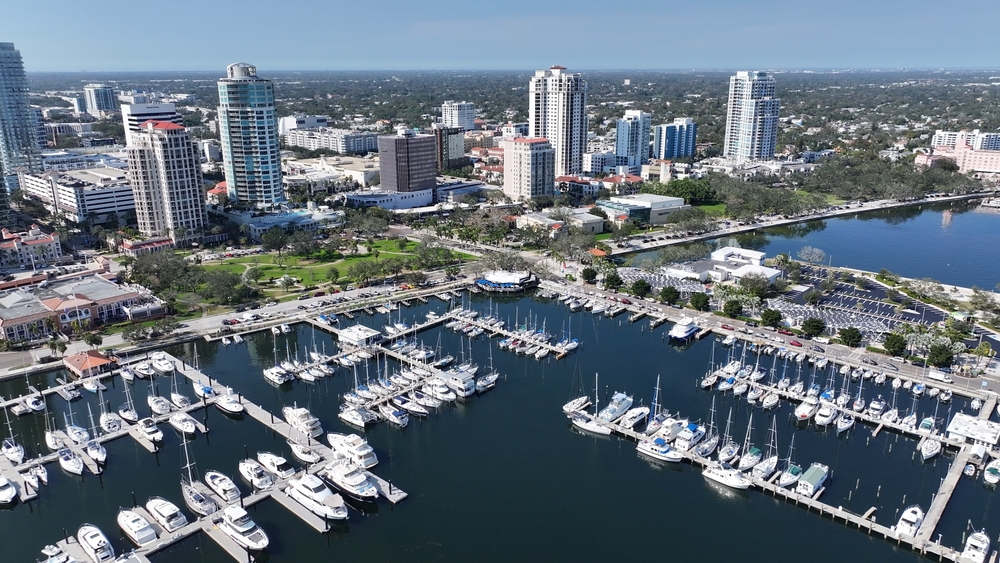
Florida commercial property owners face a wind and hurricane exposure most states don’t. A standard commercial building policy may not automatically include full wind coverage, which is why understanding how commercial building insurance actually works in Florida matters before storm season — not during it.
What Commercial Building Insurance May Cover
Commercial building insurance is generally structured to address damage to the physical structure itself. Depending on the policy and endorsements selected, coverage may also extend to business personal property such as equipment, inventory, and fixtures, and — if elected — business income or interruption coverage that can help offset lost income if a covered event forces a temporary closure.
Florida’s Wind Exposure and Why It Affects Commercial Policies
Florida consistently ranks among the most hurricane-exposed states in the country. Because of that risk, standard commercial property forms may exclude or sharply limit windstorm damage, particularly for buildings in coastal or otherwise high-risk zones. In many cases, a separate wind endorsement or a standalone windstorm policy is what actually fills that gap, which means a business owner who assumes wind is automatically included in a standard commercial policy could be working with a mistaken picture of their protection.
Wind Mitigation Features and Possible Premium Credits
One of the more direct ways to manage that wind exposure is through wind mitigation. Florida law has, for years, required residential property insurers to offer discounts or credits for construction features shown to reduce wind-related loss (Fla. Admin. Code Ann. R. 69O-170.017).
While that rule is written around residential filings, many commercial underwriters apply a similar logic — requesting a wind mitigation inspection that looks at features such as roof covering, roof deck attachment, roof-to-wall connections, and opening protection before writing or renewing windstorm coverage on a commercial building. Credits available for favorable features can meaningfully affect windstorm premium, though the amount varies by insurer, building, and location, so it’s worth discussing with your agent rather than assuming a set percentage.
How Hurricane Deductibles Typically Work
Even with wind mitigation credits in place, most Florida commercial policies still carry a separate hurricane deductible structure worth understanding.
Hurricane deductibles are typically calculated as a percentage of a building’s insured value, rather than as a flat dollar amount, and they generally apply on a per-storm basis. That structure is different from how most other property deductibles work, and it’s one of the more commonly misunderstood parts of a Florida commercial property policy.
Lender and Financing Requirements
Commercial lenders often require windstorm coverage as a condition of financing, particularly for properties in coastal areas. If you’re purchasing, refinancing, or expanding a commercial property in Florida, it’s worth confirming your lender’s specific windstorm requirements early in the process, since gaps here can slow down closing.
Factors That May Affect Your Premium
Similar to CPA coverage, no two Florida commercial buildings are priced the same. Underwriters typically weigh a combination of factors, including:
- Proximity to the coast
- Age and type of construction
- Roof condition and documented wind mitigation features
- Prior claims history on the property
- The deductible structure you select
Working With an Independent Agency on Florida Commercial Property
None of those factors are things a business owner can negotiate directly with a single insurer — but the agency you work with can make a real difference in how many markets you’re able to compare. Florida’s commercial property and wind market has tightened at different points in recent years, with carrier appetite and available capacity shifting by region. As an independent, family-owned agency serving St. Petersburg since 1939, Comegys can help business owners compare options across multiple carriers rather than relying on a single company’s underwriting appetite for wind-exposed property.
Disclaimer: Windstorm coverage, exclusions, and deductible structures vary by carrier, building location, and construction type. This article is general information, not a coverage determination for any specific property — always confirm actual policy terms with your agent.
About the Author: Derek Berset


